The Natuna Islands, located in northern Indonesia, are among the country’s most resource-rich and strategically important archipelagos. Nestled near Vietnam, Cambodia, and Singapore, this tropical paradise offers breathtaking natural beauty, pristine beaches, and unique cultural heritage. With its position along international shipping routes, Natuna is not only a rising tourism destination but also a vital national asset for Indonesia.
Beyond its strategic importance, the Natuna Islands are increasingly recognized for their eco-tourism potential. With clear waters, diverse marine ecosystems, and unspoiled landscapes, the region is attracting travelers who seek authentic experiences away from crowded tourist hubs. This balance of natural charm and cultural richness makes Natuna a unique destination in Southeast Asia.
Strategic Location & Natural Resources
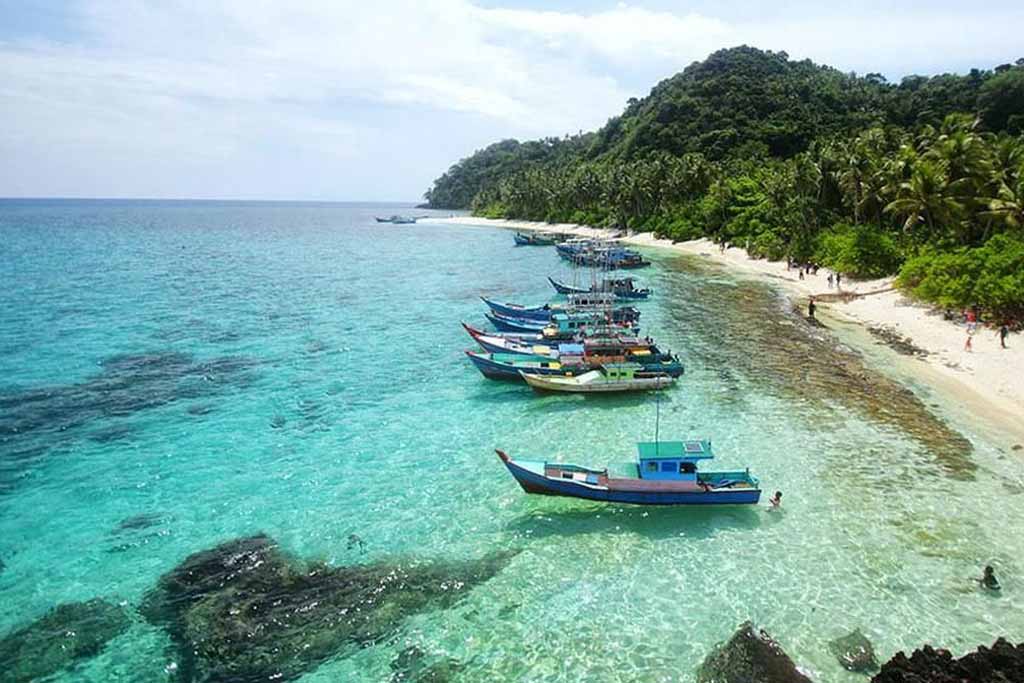
Situated along major maritime routes connecting Hong Kong, Japan, Korea, and Vietnam, the Natuna Islands hold immense geopolitical and economic value. The region is home to vast oil and gas reserves in the South China Sea, making it a hub of energy potential. Beyond its resources, Natuna captivates visitors with its untouched landscapes, crystal-clear waters, and diverse marine life.
In addition to energy reserves, Natuna’s biodiversity is a treasure in itself. Coral reefs, mangroves, and tropical forests provide habitats for countless species, making the islands an important ecological zone. This combination of natural wealth and strategic location positions Natuna as both an environmental and economic powerhouse.
How to Reach Natuna Islands
Traveling to Natuna is convenient via Ranai Natuna Airport, with connecting flights from Batam’s Hang Nadim Airport. Geographically, Natuna lies above the Karimata Strait, between Malaysia and Kalimantan, making it closer to Borneo than Sumatra. Its accessibility makes it an ideal getaway for both domestic and international travelers seeking adventure and tranquility.
For those who prefer sea travel, ferries and boats also connect Natuna to nearby islands, offering scenic journeys across turquoise waters. This accessibility ensures that visitors can combine Natuna with other Indonesian destinations, making it part of a broader island-hopping adventure.
Local Economy & Community Life
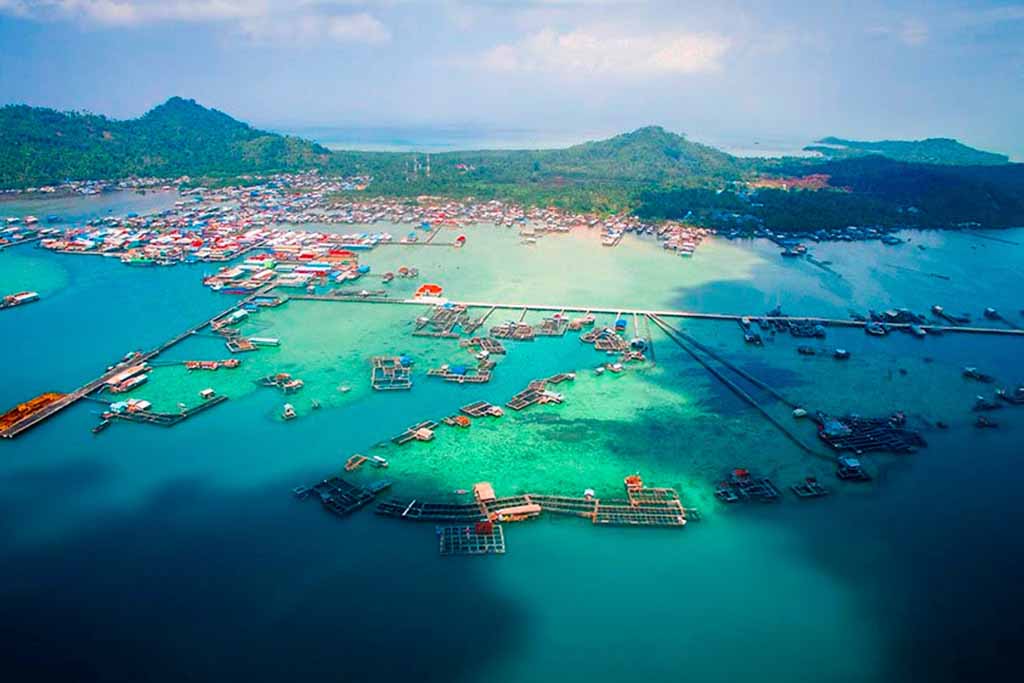
Natuna’s communities thrive on fishing and marine resources, reflecting their deep connection to the ocean. While oil and gas reserves remain largely untapped, locals sustain their livelihoods through agriculture, cultivating cassava, coconut, rubber, palm oil, and cloves. This blend of marine and agricultural traditions enriches the island’s culture and economy.
The local economy is also supported by small-scale tourism, with homestays, local guides, and traditional crafts offering visitors authentic cultural experiences. This grassroots approach ensures that tourism benefits local families while preserving Natuna’s traditions and environment.
Tourism Highlights in Natuna Islands
The Natuna Islands are emerging as a premier destination for marine tourism. Visitors can enjoy snorkeling, diving, and island-hopping across hidden beaches and untouched landscapes. Whether you’re seeking adventure or relaxation, Natuna offers a perfect balance of natural wonders and cultural experiences.
Adventure seekers will find Natuna ideal for trekking, kayaking, and exploring remote islands. Meanwhile, those looking for relaxation can enjoy quiet beaches, fresh seafood, and the warm hospitality of local communities. This versatility makes Natuna suitable for both solo travelers and families.
Top Attractions in Natuna
- Senua Island – popular among tourists from the UK, Vietnam, Hong Kong, Malaysia, and Singapore.
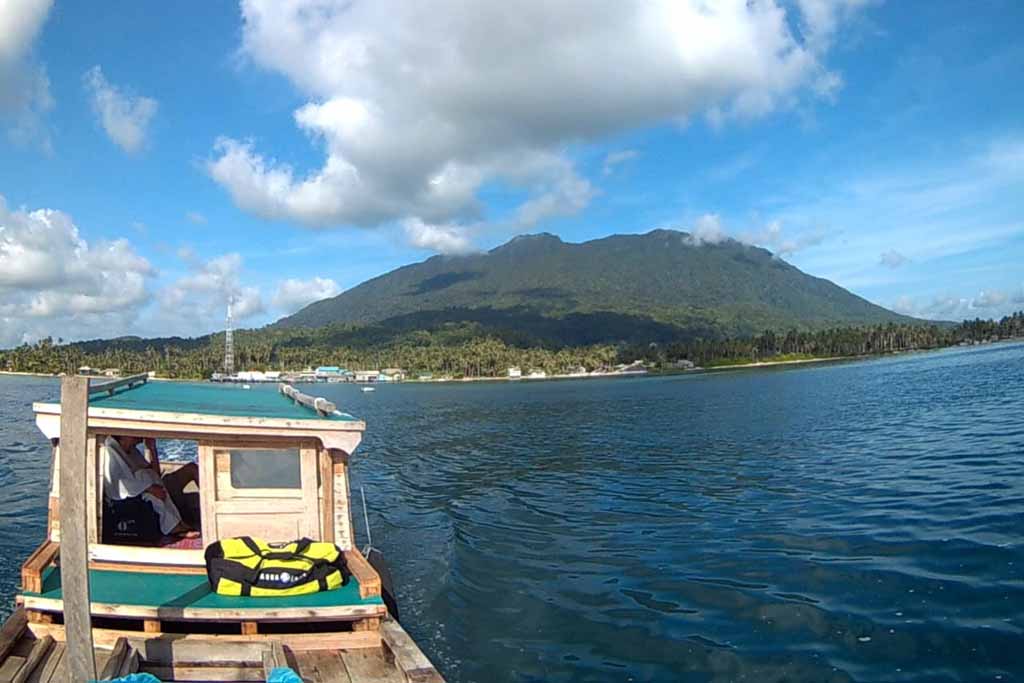
- Mount Ranai – a scenic mountain backdrop for hiking and photography.
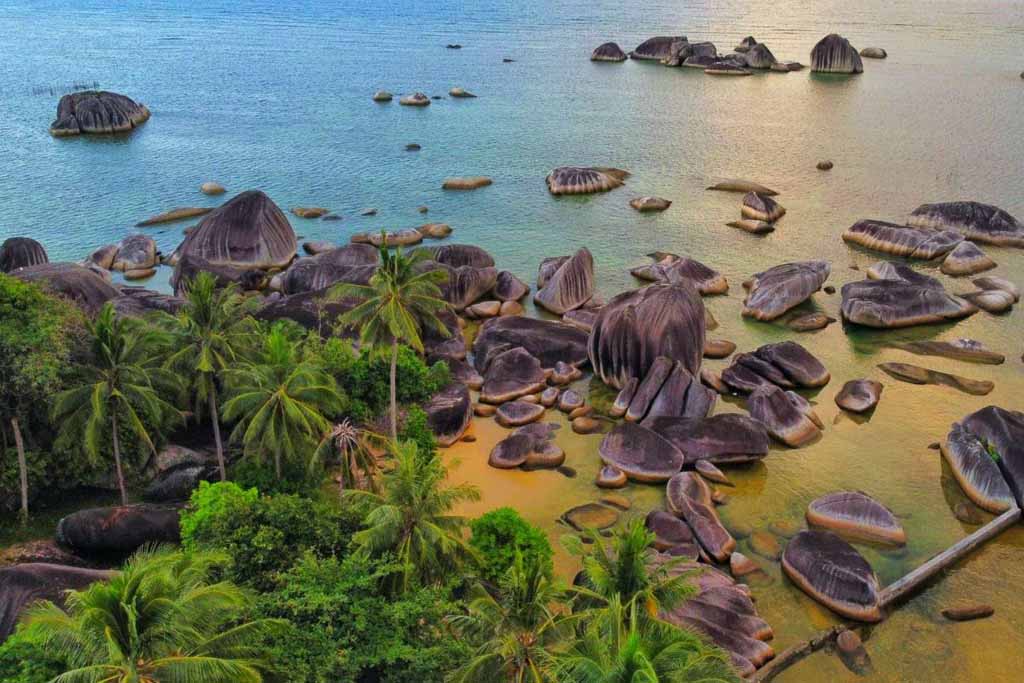
- Alif Stone Park – a geological wonder with unique rock formations by the sea.
- Natuna Grand Mosque – a spiritual and architectural landmark.
- Batu Sindu – natural rock formations ideal for sightseeing.
- Batu Kuning & Tanjung Natuna Beach – pristine beaches perfect for sunbathing and swimming.
Each attraction offers a unique experience, from cultural immersion to natural exploration. Together, they showcase the diversity of Natuna’s landscapes and traditions, making the islands a well-rounded destination for travelers of all interests.
Featured Islands You Must Visit
- Pulau Panjang (Panjang Island) – 2 km of picturesque coastline with snorkeling, diving, coral reefs, and coconut groves.
- Pulau Sahi (Sahi Island) – during low tide, visitors can walk across shallow waters between Sahi and Natuna.
- Pulau Senua (Senua Island) – only 30 minutes by boat, famous for its serene beauty and proximity to Malaysia and Singapore.
- Pulau Kemudi (Kemudi Island) – uninhabited paradise with sea turtle nesting sites, mangroves, and tropical trees like durian and coconut palms.
These islands highlight the diversity of Natuna’s archipelago. From uninhabited sanctuaries to lively tourist spots, each island offers something distinct—whether it’s wildlife encounters, geological wonders, or cultural connections. Exploring them provides a deeper appreciation of Natuna’s natural and cultural richness.