The Origin of Nasi Pecel: A Beloved Indonesian Culinary Heritage
What is Nasi Pecel?
Nasi Pecel is a traditional Indonesian dish made of steamed rice served with boiled vegetables and topped with spicy peanut sauce. This humble yet flavorful cuisine can be found across many regions of Indonesia, especially in East Java, where it is considered a cultural staple.
The heart of Nasi Pecel lies in its chili peanut sauce (bumbu pecel), which blends roasted peanuts, chili, kencur (aromatic ginger), tamarind, lime leaves, and palm sugar into a rich, savory dressing.
Where Does Pecel Come From?
The exact origin of Pecel is debated. Several towns in East Java claim ownership, but two places stand out:
- Madiun – Often referred to as Pecel Madiun, this version is the most famous across Indonesia.
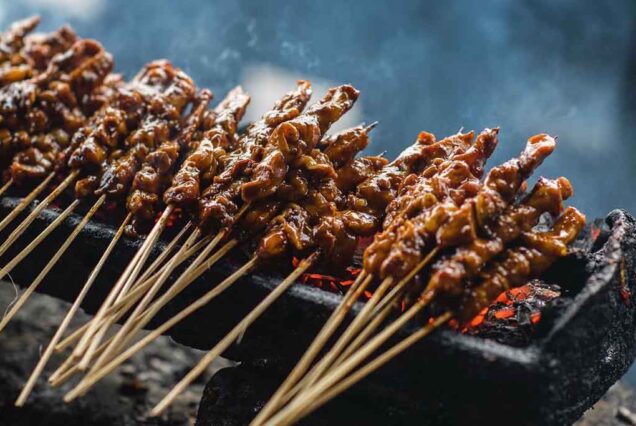
- Ponorogo – Some believe Pecel originated here, influenced by Ponorogo’s culinary traditions such as chicken satay and fried dishes that also use peanut sauce.
Regardless of its birthplace, Pecel has become a symbol of Javanese cuisine and is now enjoyed nationwide.
Pecel vs. Gado-Gado
Many compare Pecel to Gado-Gado, another Indonesian peanut-sauce dish. While similar, Pecel typically uses simpler boiled vegetables like string beans, bean sprouts, cassava leaves, basil, and cucumber, while Gado-Gado often includes potatoes, eggs, and tofu.
Typical Ingredients in Nasi Pecel
The vegetables and side dishes vary by region, but common ingredients include:
- String Beans – Fresh and crunchy, adding texture and fiber to the dish.
- Bean Sprouts – Light and refreshing, balancing the richness of the sauce.
- Cassava Leaves – Earthy and slightly bitter, a traditional East Javanese touch.
- Basil Leaves – Aromatic and herbal, enhancing the fragrance of Pecel.
- Cucumber – Cool and crisp, offering a refreshing contrast.
- Optional Additions – Spinach, sesbania leaves, krai (local cucumber), and lamtoro seeds for regional variations.
Optional additions: spinach, sesbania leaves, krai (local cucumber), and lamtoro seeds.
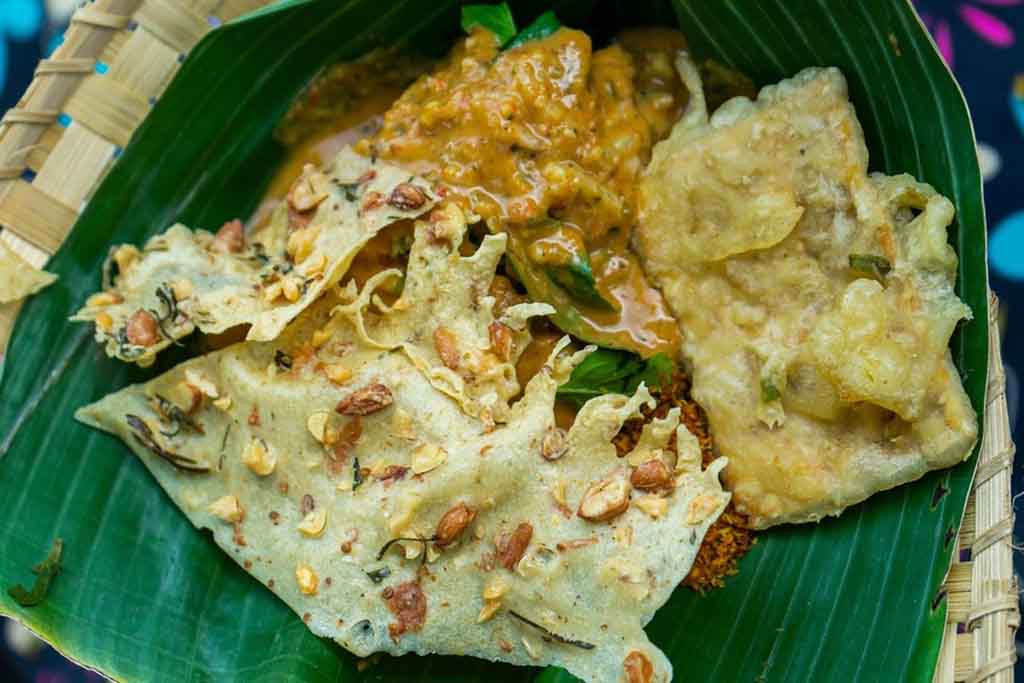
The dish is often served on banana leaves or bamboo trays, enhancing its traditional feel.
The Signature Peanut Sauce (Bumbu Pecel)
The peanut sauce is what makes Pecel unique. A typical recipe includes:
- Roasted Peanuts – Nutty and creamy base.
- Chili Peppers – Spicy kick that defines the flavor.
- Kencur (Aromatic Ginger) – Unique herbal note, distinct to Javanese cooking.
- Palm Sugar – Sweet balance to the heat.
- Tamarind & Lime Leaves – Tangy freshness.
- Garlic & Salt – Depth and seasoning.
This sauce is ground or blended, then diluted with water to achieve the perfect consistency.
Pecel in East Java
Across East Java, Pecel is a breakfast favorite, often paired with:
- Rice crackers (rempeyek or kerupuk) – varying by region
- Fried tempeh or tofu
- Banana leaf presentation for authenticity
Although every district has its own version, Pecel Madiun remains the most iconic.
Why You Should Try Nasi Pecel
If you’re visiting Indonesia, especially East Java, tasting Nasi Pecel is a must. Its spicy, nutty, and aromatic flavors capture the essence of Javanese cuisine. Whether enjoyed at a roadside stall or a traditional market, Pecel offers a culinary experience that connects food, culture, and history.