Togean Islands National Park
Togean Islands National Park was formed by volcanic activity and is located in Tomini Bay, Central Sulawesi. It was officially designated as a national park in 2004, covering an area of approximately 292,000 hectares. Administratively, the islands fall under the jurisdiction of Tojo Una-Una Regency.
Coral Reefs & Diving Paradise
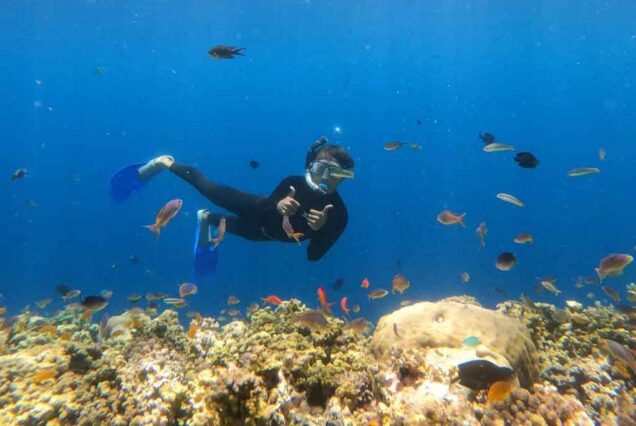
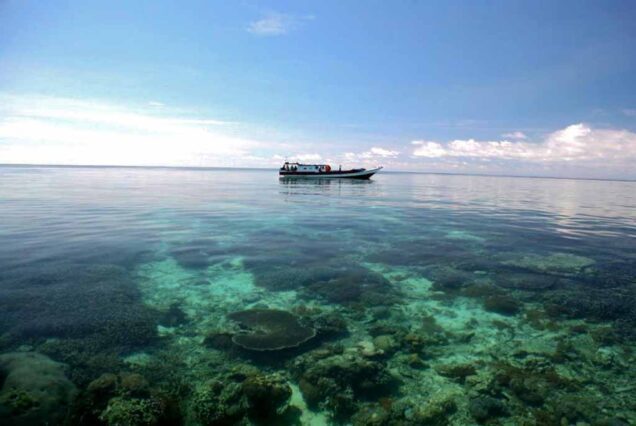
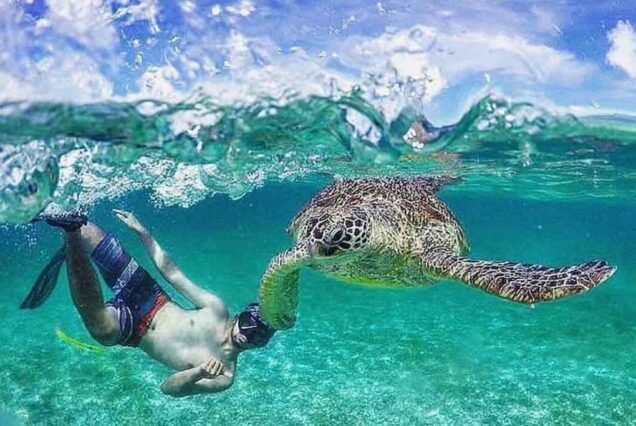
Togean National Park is rich in healthy coral reefs and home to a variety of rare marine species protected by law. This makes it one of Indonesia’s top destinations for diving and snorkeling. Its beautiful beaches are perfect for relaxing, and Malenge Island is especially notable as the home of the Bajo people, who live in harmony with the sea.
Transportation Access
Although remote and relatively difficult to reach, Togean continues to attract domestic and international diving enthusiasts. Many spend weeks or even months exploring its underwater beauty and relaxing on its stunning beaches.
Popular islands for diving and snorkeling include:
- Kadidiri Island – The heart of the archipelago and home to most of the operating resorts. Its central location makes it easy to access other islands.
- Una-Una Island – Located in the middle of Tomini Bay, about 2–3 hours by boat from Gorontalo. It also has dive resorts.
- Malenge Island – Famous for its stilted Bajo villages built over the sea.
- Walea Kodi & Walea Bahi Islands – Both offer beautiful dive and snorkeling spots, with Walea Bahi hosting a dive resort.
Beyond these, Togean is dotted with many smaller islands waiting to be explored.
How to Get There
Togean Islands can be accessed from several cities in North and Central Sulawesi. Most travelers fly into Gorontalo and take a ferry to Wakai (Togean) on Tuesday or Friday evenings. If they miss the ferry, they can drive to Marisa and charter a boat to the islands.
From Central Sulawesi, Togean is reachable via ferry from Ampana or Luwuk. In April 2015, a new airport was opened in Ampana, offering limited routes such as Ampana–Luwuk, Ampana–Gorontalo, and Ampana–Palu. There are currently no direct flights from Makassar to Ampana, and flight schedules are not daily. Hopefully, in the coming years, the airport will operate fully and offer direct Makassar–Ampana flights, improving access for travelers.
Local Cuisine
Seafood dominates the local cuisine, with sago being a traditional staple in Togean. In Ampana, visitors can enjoy grilled fish with spicy rica-rica sauce and stock up on food supplies before island-hopping. Please remember to dispose of waste responsibly.
Tourism Activities
Popular activities in Togean include fishing, sailing, swimming, and of course, diving. The islands are covered in lush forests and host unique flora and fauna. You can visit Bajo settlements in Kabalutan, Pulau Enam, Malenge, or Kayome — where an original Bajo house still stands, built entirely without nails.
In Togean’s main settlement area, Katupat Village offers beautiful beaches and forest trekking. Batudaka Island is the largest and most accessible island in the archipelago. Here, you can visit Bomba Village for swimming, snorkeling, or exploring Bat Cave.
Kadidiri Island is the most popular destination, known for calm waters and excellent snorkeling and diving. Affordable accommodations are available on the western side, near dramatic coral cliffs that are home to rock crabs.
At Taipi Wall, about 4 km south of Kadidiri, you’ll find a vertical coral wall stretching north to south. This dive site offers stunning views of colorful coral species and reef life. Depths range from 5 to 30 meters, with warm sunlight filtering through the water — perfect for long underwater sessions.
See Activities:
- Togean Islands Dive Expedition – 7 Days of Coral Reefs, Bajo Culture & Island Adventure
- Togean Islands Diving Expedition – 8 Days of Coral Reefs, Island Life & Bajo Culture
Near Pulau Enam lies a unique dive site: the wreck of a U.S. B-24 bomber that crashed in May 1945. The aircraft remains in excellent condition, with visible propellers, wing fragments, and a rear cabin complete with machine guns. The wreck sits at a depth of 14–22 meters, about 16 km from Kadidiri.
If diving isn’t your thing, you can try fishing or jungle trekking on Malenge Island. You can also visit Mount Colo on Una-Una Island — a great alternative for nature lovers. Cultural tourism is also possible by visiting Bajo villages in Kabalutan.