“I’ve been living for quite some time in Jakarta, the capital of Indonesia. My company sent me and some friends to stay at the head office for three months — giving me plenty of time to explore and take vacations to tourist destinations around Jakarta.”
Not long after, my friend told me about a trip to the “Child of Krakatoa.” Unfortunately, the quota for that trip was already full. When he returned, he shared how much fun it was. He described the beauty of Krakatoa’s landscape—typical island scenery of the Nusantara—and the amazing underwater views. His story inspired me to take my own trip to Krakatoa.
Backpacker Trip to Krakatoa
I joined a backpacker trip to Krakatoa from April 27th to 29th. The trip began with an agreement to gather at the meeting point in Merak Port, Banten, at 10:00 pm. Once all participants arrived, we crossed to Bakauheni Port, Lampung, at 01:00 am. The journey from Merak to Bakauheni takes about two and a half hours, or three hours if the weather is bad. It was late at night, and we were already tired from traveling from Jakarta to Banten, so I couldn’t enjoy that moment. It would have been different if the journey had started in the morning.
We arrived at Bakauheni around 03:30 am. From Bakauheni to the Child of Krakatoa, we had to go to Canti Dock, the nearest dock to cross into the Krakatoa nature reserve area. Public transportation is available from Bakauheni to Canti, and you can hire it to reach the dock. The trip takes about 40 minutes to 1 hour.
It was still dark when we arrived at Canti, but we washed our faces, bathed, and prayed Subuh. From this dock, we crossed again to Sebesi Island, the nearest inhabited island to the Child of Krakatoa. While waiting for the crossing, I had breakfast at a small cafeteria provided by locals for tourists.
Sebesi & Sebuku Islands
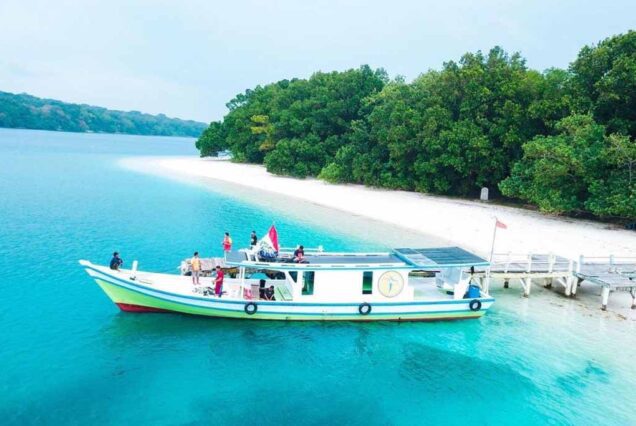
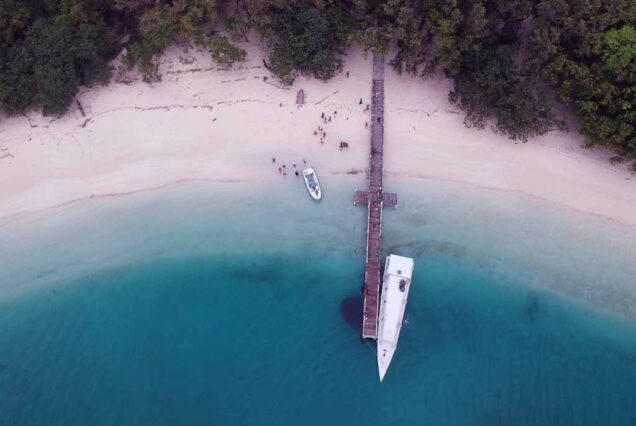
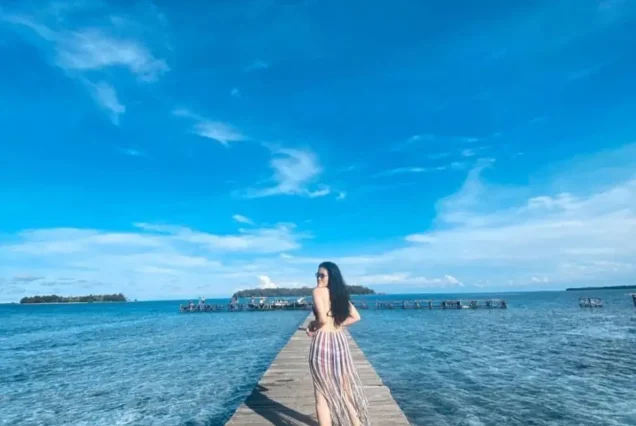
At 05:30 am, we crossed to Sebesi, enjoying the fresh morning air on the wooden boat, the warmth of the bright sun, and the beautiful sea views dotted with small green islands in the distance. This archipelago felt like a divine gift to the people of this island nation.
Our first destination was Sebuku, an uninhabited small island. Around its coast, many reefs remain damaged. According to the local tour guide piloting our boat, the destruction was caused by bomb fishing, which kills marine life and destroys reefs. Suddenly, I recalled the words of Allah: “Many damages occur on land and in the oceans because of human hands.” Human greed destroys not only itself but also the earth and everything in it.
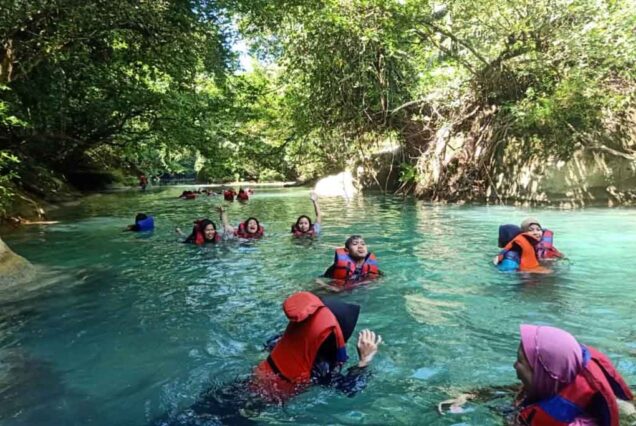
After exploring Sebuku, we continued to the middle of the sea for snorkeling. Sadly, the underwater views were damaged, and it may take decades for the reefs to recover. At 10:00 am, we headed back to Sebesi Island, where our homestay was located, and immediately fell asleep without bathing.
Landscape of Umang Island
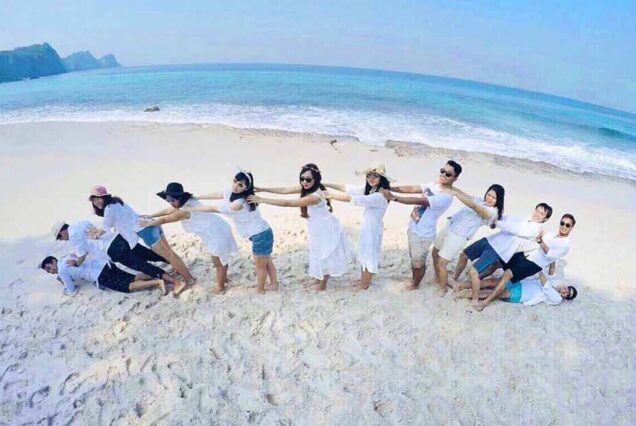
Here, we could see new reefs beginning to grow. The next destination was snorkeling, exploring, and enjoying the sunset at Umang Island. We departed from Sebesi at 01:30 pm. The underwater view of Umang was similar to Sebuku—reefs destroyed, likely due to bomb fishing. Still, swimming in the blue ocean and enjoying the island atmosphere gave me a different sensation: fun, unforgettable, and satisfying.
After swimming, we explored Umang Island and waited for sunset. As dusk began to redden, the atmosphere transformed—beautiful, a blend of natural scenery and twilight blush that captivated the eyes. Adventurers must be familiar with this moment: perfectly amazing.
We returned to our homestay at 08:00 pm, bathed, grilled fish on the coast, and had dinner. The night atmosphere, with the sounds of small animals mixed with the waves, felt refreshing. Once in your life, you need to experience this moment—it truly helps you reflect on your life’s journey in a crowded city.
Big Krakatoa
In 1883, Krakatoa erupted and destroyed two‑thirds of its body.
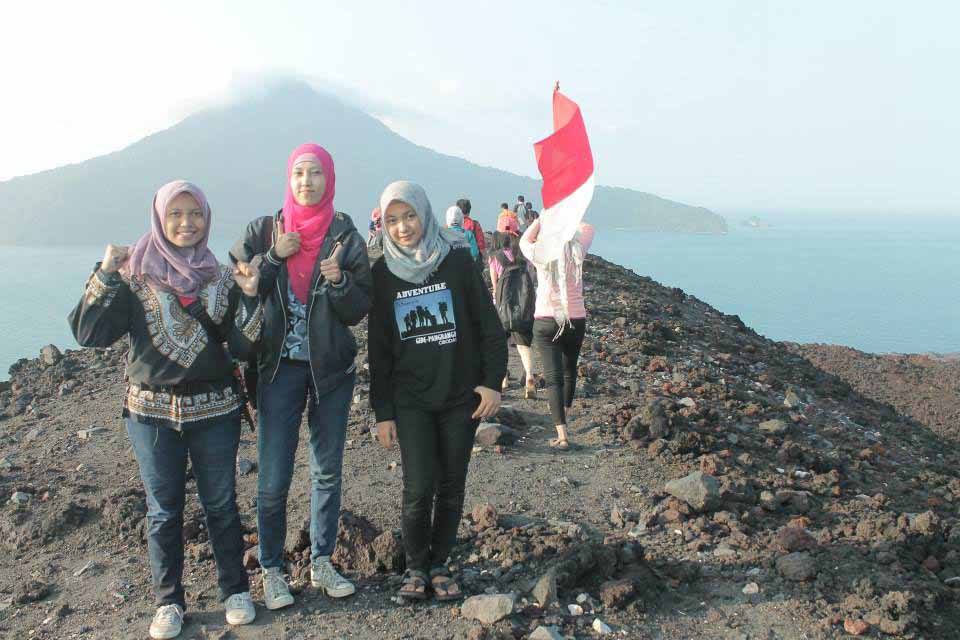
We woke up at 03:00 am to leave early and enjoy sunrise from the top of Krakatoa. The trip from Sebesi to the Child of Krakatoa took about one and a half hours by boat. Upon arrival, we climbed for about 15 minutes to reach the top. The Child of Krakatoa is actually the peak of Krakatoa, where the body of the mountain lies buried beneath the ocean.
At that time, the Child of Krakatoa’s status was normal, so we could climb safely. From the summit, the surrounding islands were clearly visible—many formed by eruptions hundreds or even millions of years ago.
Enjoying sunrise from the top was an incredible experience. The sunrise blended with the island landscapes, making our long journey worthwhile. Sunrise breathes life into the earth and everything in it, awakening all living beings, and we witnessed it up close.
Lagun Cabe
After sunrise, we continued to Lagun Cabe, a popular snorkeling spot known for its healthy reefs. Here, I discovered diverse marine life and even saw a small stingray swimming along the ocean floor.
By afternoon, when we returned to Sebesi Island, I felt satisfied. I realized there is hope for the future of marine life and biodiversity in this nature reserve. This hope must be preserved so nature can remain sustainable, undamaged by human hands. The dependency is not only for fish in the sea but also for surrounding communities, who will suffer if the environment is destroyed.