Introduction
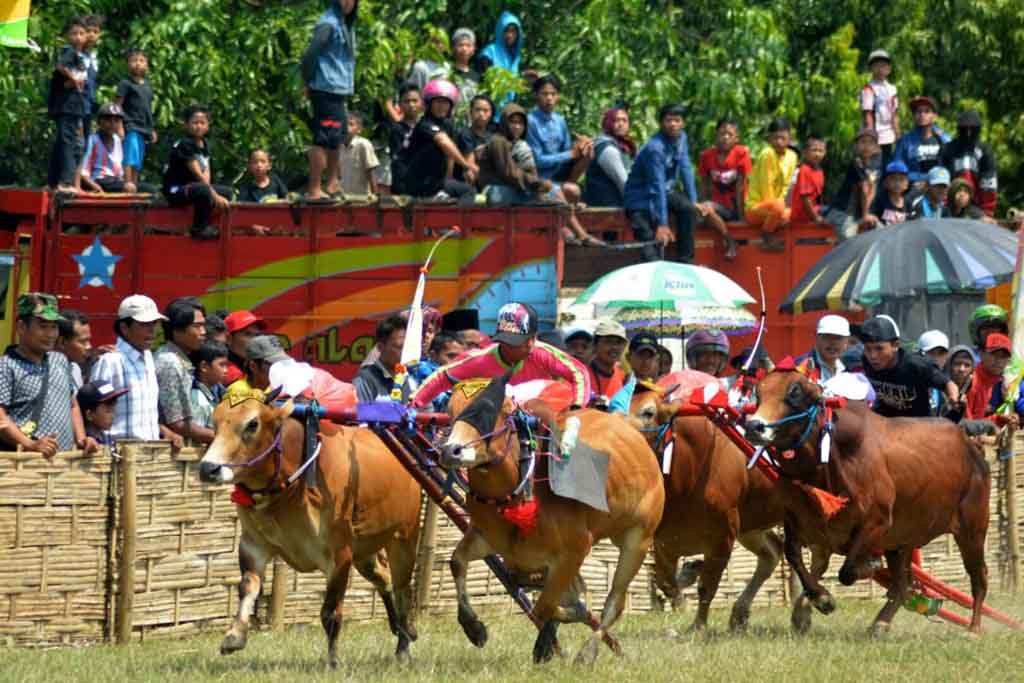
The Madura Bull Race, locally known as Karapan Sapi, is one of the most unique cultural attractions in Indonesia. Held annually on Madura Island, East Java, this traditional sport is more than just a thrilling spectacle—it reflects the agrarian roots, history, and cultural identity of the Madurese people. In 2025, Karapan Sapi continues to attract both domestic and international tourists, making it a must‑see cultural event in East Java.
Historical and Cultural Roots
The Madurese people have long been an agrarian society, with farming as their main livelihood. Historically, bull races were organized after harvest seasons as a form of communal entertainment. Over time, the tradition evolved into a structured competition, while still preserving its cultural significance.
Karapan Sapi is not only about speed—it symbolizes community pride, resilience, and adaptation to natural conditions. For locals, the race embodies their connection to land, livestock, and heritage.
Modern Bull Race in 2025
Today, Karapan Sapi has transformed into a national cultural tourism attraction. The races are no longer chaotic village amusements but well‑organized events supported by local governments and cultural institutions.
- Competitions begin at the village level, progress to sub‑district championships, and culminate in the prestigious Gubeng Bull Race.
- The Governor of East Java’s Trophy remains the ultimate prize, awarded to the champion team representing Madura’s four districts.
- Before the final race, visitors can enjoy traditional folk dances and cultural performances, adding to the festive atmosphere.
This annual event is held once a year, usually between September and November, so travelers must plan carefully to witness it.
Prestige and Economic Impact
For the Madurese, Karapan Sapi is more than entertainment. Winning brings prestige, honor, and economic rewards:
- Champion bulls can be sold for hundreds of millions of rupiah, sometimes compared to the price of a luxury car.
- Owners gain social status and recognition within the community.
- The event boosts local tourism, with visitors flocking to Madura for the races, cultural shows, and culinary experiences.
Why Visit Karapan Sapi in 2025?
- Unique cultural heritage found only in Madura.
- Thrilling spectacle of decorated bulls racing at high speed.
- Annual championship with traditional dances and ceremonies.
- Local pride and prestige, offering insight into Madurese identity.
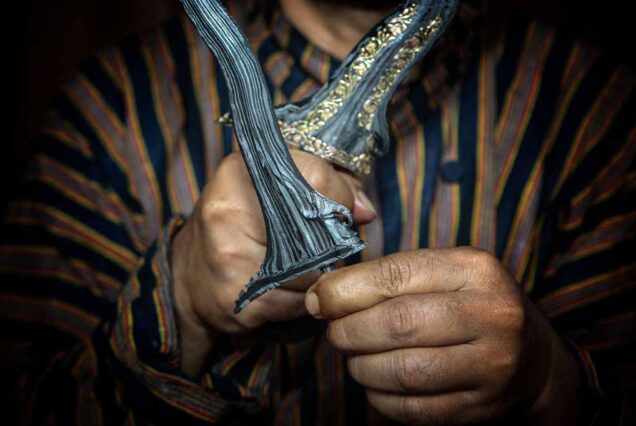
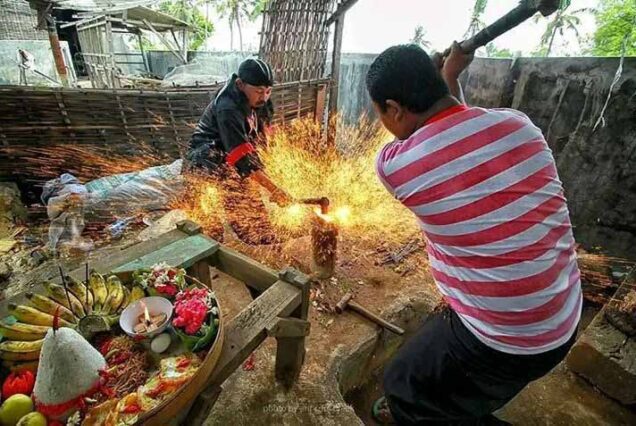
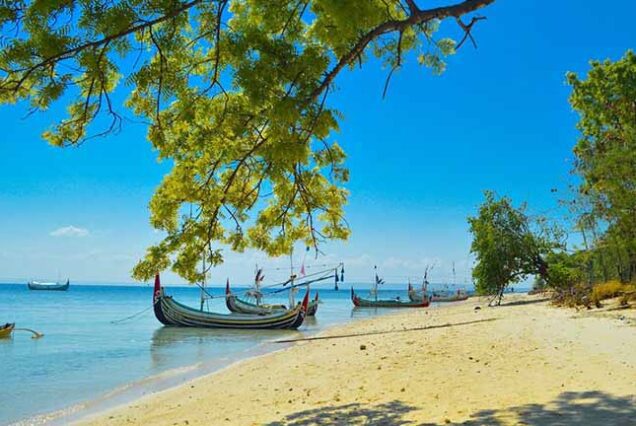
- Tourism synergy with other Madura attractions such as Aeng Tong Tong Keris Village, Suramadu Bridge, and Gili Labak Island.
Practical Information for Tourists
- Location: Madura Island, East Java (accessible via Suramadu Bridge from Surabaya).
- Season: Annual races, typically September–November.
- Tickets: Entry fees vary depending on the venue; local tours often include race access.
- Tips: Arrive early for the Gubeng final, as crowds are large. Combine your visit with Madura’s culinary tours (sate Madura, bebek sinjay).